Skip to main content

Official websites use .gov
A .gov website belongs to an official government organization in the United States.

Secure .gov websites use HTTPS
A lock ( ) or https:// means you’ve safely connected to the .gov website. Share sensitive information only on official, secure websites.

Retailing & Wholesaling

The U.S. food marketing system connects farmers, manufacturers and processors, and consumers through a network of businesses along the food supply chain. This system assembles, stores, transports, and delivers foods to consumers across the United States. At the tail-end of the food marketing system, wholesalers, retailers, and food service providers make food available for U.S consumers to purchase. 

ERS provides timely research and analysis on how the later stages of the food system are evolving. ERS research examines three key areas:

  • Wholesale markets: Food wholesaling plays a vital role in moving goods from suppliers to customers (including retailers, restaurants, government institutions, and other businesses). ERS tracks trends in wholesale sales by type of outlets, wholesalers, and product category. 
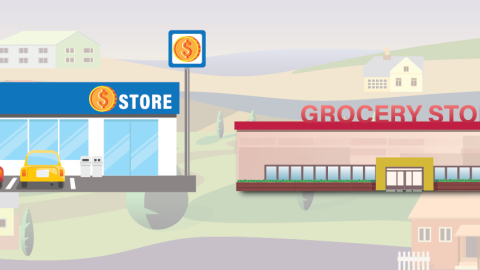
  • Food retail industry: ERS examines the size and structure of the food retail market—stores that sell food for preparation and consumption at home (food at home, or FAH). ERS provides information on food store sales, sales growth, and the market share of different retail segments (including traditional grocery stores as well as growing segments like warehouse club, drugstores, and other nontraditional food outlets). ERS also monitors market concentration in the food retail industry, providing indicators at the national and State levels to track how competition and market structure evolve over time. 
  • Food service industry: ERS examines the size and dynamics of the foodservice market—facilities that serve meals and snacks for immediate consumption (food away from home, or FAFH). Commercial foodservice establishments account for the bulk of FAFH expenditures. This category includes full- and limited-service restaurants, caterers, and cafeterias as well as other places that prepare, serve, and sell food to the public for a profit. Together, these establishments shape how U.S. consumers choose to eat food outside the home.